
- Top
- Sustainability
- Seven & i Holdings Material Issues
- Material Issues 3
- Sustainable Sourcing of Raw Materials
- Sustainability
- Message from the Representative Director & Executive Chair (Kaicho)
- Basic Policies of Sustainability Initiatives
- Sustainability Management
- Stakeholder Engagement
- Business Partners
- Seven & i Holdings Material Issues
- Corporate Governance
- Compliance
- Information Security and Personal Information Protection
- Human Rights Initiatives
- Human Capital Initiatives
- Climate and Nature-related Information Disclosures —Responses to TCFD/TNFD Recommendations
- Social Contribution Activities
- Business Continuity Initiatives
- Overseas Initiatives
- Sustainability Data Book
- External Recognition and Awards
- SASB/GRI Index
- Index for Researchers
- Keyword search
- Editorial Policy
- Social
- Environment
Sustainable Sourcing of Raw Materials
Seven & i Holdings Co., Ltd. and its consolidated subsidiaries (hereinafter referred to as "our Group") have established Seven & i Holdings Nature Policy in October 2024, clarifying its commitment to contributing to the realization of nature-positive practices throughout the value chain in collaboration with diverse stakeholders both in Japan and overseas. Furthermore, in April 2022, Seven & i Holdings Sustainable Sourcing Principles and Policy was revised to incorporate important elements such as respect for human rights, strict compliance, environmental and biodiversity conservation, and ensuring traceability to the source of production. These efforts aim to realize a society in harmony with nature by achieving the goals of the Group's environmental declaration, "GREEN CHALLENGE 2050." It sets specific sustainable procurement goals, including switching to sustainable raw materials for 50% of the food ingredients used in original products (including Seven Premium) by 2030 and 100% by 2050.

Approach to Agricultural Product Sourcing
Coffee
Our group uses coffee beans across a wide range of product categories, from counter-served coffee at its convenience stores to coffee-related products under the Seven Premium brand. At the same time, coffee beans are considered a “forest-risk commodities” associated with a significant risk of deforestation and forest loss resulting from land-use change. Coffee, soybeans, beef, cacao, and palm oil are considered forest-risk commodities and are covered by the European Union Deforestation Regulation (EUDR).
Accordingly, in line with the recommendations of the Taskforce on Nature-related Financial Disclosures (TNFD), we identified key raw materials through scoping and assesses our dependencies and impacts on nature. For the sourcing of coffee beans, the group has conducted an analysis based on the LEAP approach and discloses the results, including risks related to deforestation and land conversion.
At Seven-Eleven Japan Co., Ltd. (SEJ), we are promoting initiatives to support coffee-producing region’s producers and its communities with the aim of achieving sustainable sourcing throughout the entire coffee value chain—from farming and procurement to importing, roasting, and sales. Through dialogue with coffee-producing regions’ communities, we strive to tailor our support to their respective needs. We also aim to prevent deforestation by supporting the transition to agricultural practices that are expected to help restore nature and increase yields, as well as by providing assistance aligned with the challenges faced by local communities.
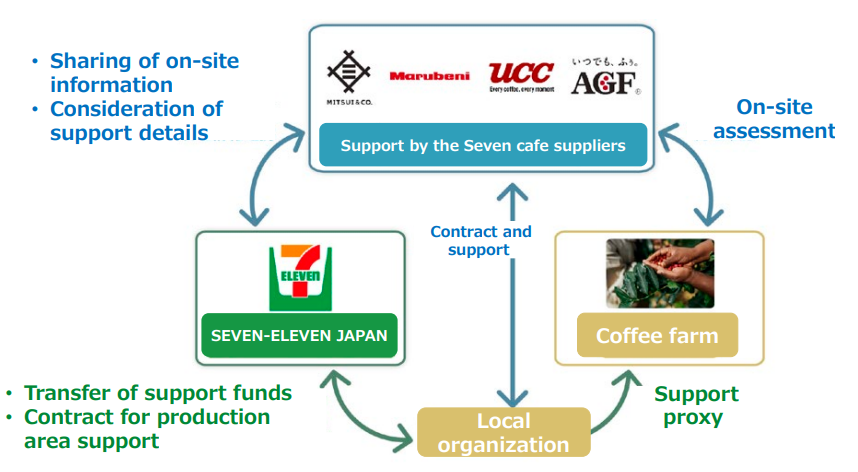
Donating Shade Trees in Tanzania: Supporting the Transition to Agroforestry
SEJ donates shade-tree seedlings to coffee farms in Tanzania to support the transition to agroforestry, an agricultural practice in which trees taller than coffee plants are planted to provide shade. By helping coffee producers transition from monoculture to a system that uses shade trees to create a more diverse growing environment, SEJ supports the restoration of nature and the development of coffee farms capable of maintaining stable, long-term production.
How the Donation of Shade-Tree Seedlings Contributes to the Nature
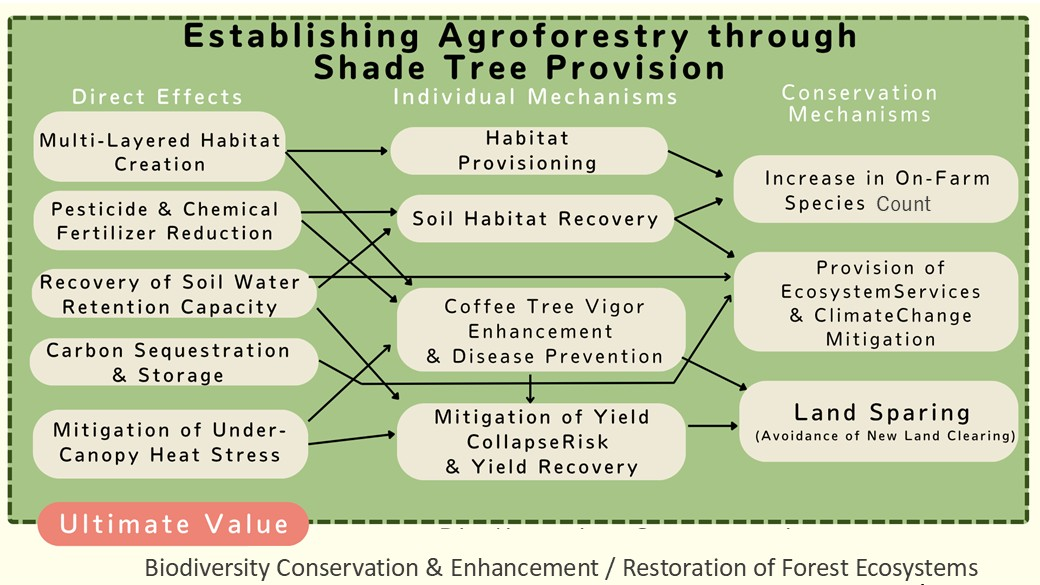
From FY2022 through FY2024, we donated a cumulative total of 343,000 shade-tree seedlings, creating approximately 197 hectares of agroforestry areas. The habitats created through agroforestry make coffee farms more suitable for birds, insects, small mammals, and other wildlife. As a result, the number of species inhabiting the farms is expected to increase by approximately 1.7 times—or around 70%*1–*10.
The shade provided by the trees also helps regulate the microclimate within the farms, lowering temperatures between the trees by up to 4°C*11. Coffee yields are reported to decline significantly when the annual average temperature exceeds 22–23°C. By providing shade, shade trees help protect coffee plants from excessive heat and enable them to grow more healthily*12.
Positive effects on soil and water conditions are also expected. As the amount of organic matter, such as tree roots and fallen leaves, increases, the soil’s water-retention capacity is expected to improve by an average of 20%, while the amount of water lost from the soil is expected to decrease by 20–40%*11, *13. In addition, the rate at which water infiltrates the soil is expected to increase by 35–60%*14. These improvements can help reduce the risk of soil erosion and slope failures during heavy rainfall. They also promote soil health by stimulating beneficial fungi and microorganisms in the soil, helping restore an environment in which a diverse range of plants and small organisms can thrive*15.
Furthermore, leguminous trees can convert atmospheric nitrogen into nutrients, while their fallen leaves also enrich the soil. As a result, the use of chemical fertilizers is expected to be reduced by up to 90% *16.
The carbon stored in the aboveground parts of trees and in their belowground parts, including their roots—that is, carbon removed from atmospheric CO₂—is expected to increase by approximately 2 to 3.8 times, or around 100% to 280%, compared with monoculture*17–*19. This also contributes to mitigating the progression of climate change.
The cooling effect provided by shade reduces heat stress on coffee plants. Beneficial soil microorganisms also help suppress disease, while organisms that prey on pests become more active. Together, these effects can reduce pest populations by 74–99%*20.
In addition, preventing the spread of the spores that cause coffee leaf rust—a major disease affecting coffee plants—helps reduce the risk of significant yield losses and contributes to more stable yields*21.
By restoring and stabilizing production and yields on existing coffee farms, this initiative also helps reduce the need to clear new forests to maintain and secure production, thereby contributing to the prevention of deforestation. Through its support for the transition to agroforestry, SEJ aims to achieve land sparing—avoiding the development of new forest areas*22.
SEJ’s support contributes to enhanced biodiversity and the conservation and restoration of forests by creating habitats for wildlife, improving ecosystem services, and stabilizing yields.
Supporting Regenerative Agriculture in Brazil
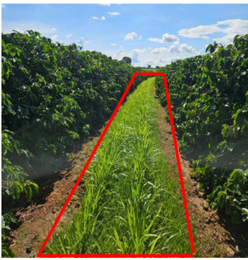
SEJ supports the introduction of cover cropping at coffee farms in Brazil. This practice involves covering the soil with grass and other vegetation. By improving soil conditions and reducing the use of agricultural chemicals, SEJ aims to help develop sustainable farmland that is more resilient to climate change and disease.
How the Introduction of Cover Crops Contributes to Nature
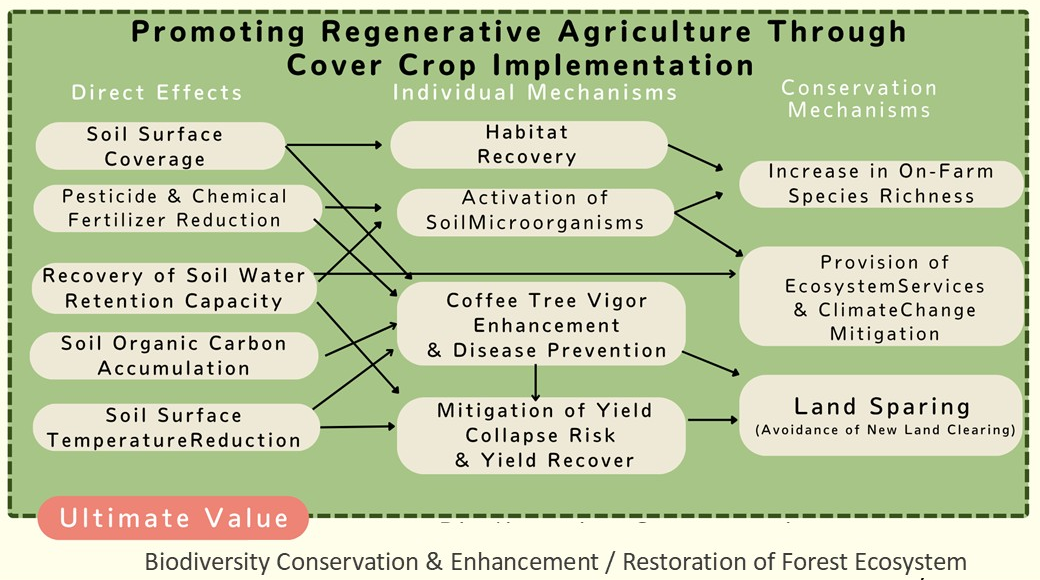
【How Donating Cover-Crop Seeds Contributes to Nature】
In collaboration with its business partners, SEJ is supporting initiatives to improve soil conditions and introduce regenerative agriculture, which harnesses the power of natural processes, across approximately 2,000 hectares of farmland by FY2026. As part of these initiatives, SEJ donates seeds of cover crops, such as grasses, to coffee producers, who plant them on their farms.
Cover crops are plants grown to cover the surface of the soil. By covering the topsoil, they serve a role similar to mulch, helping protect the soil. This creates a more favorable environment for organisms both above and below ground. As a result, the number and density of species inhabiting coffee farms are expected to increase by approximately 1.4 times*23.
Cover crops can lower ground temperatures by approximately 4°C, helping stabilize temperature and humidity within coffee farms*11. This helps prevent excessive moisture loss from the soil during dry periods and protects coffee-tree roots from heat waves, supporting their healthy growth.
Cover crops also help prevent soil erosion caused by rainfall and the runoff of farmland soil. As a result, the soil’s water-retention capacity is expected to increase by an average of 9.2%*24, while the amount of water lost from the soil is expected to decrease by 20–28%*25. In addition, the rate at which water infiltrates the soil is expected to increase by approximately 35% on average, thereby improving soil conditions*14.
Cover crops also naturally suppress the spread of weeds. At the same time, they stimulate soil microorganisms and increase populations of organisms that prey on pests. Consequently, pest populations are expected to decrease by up to 33%, significantly strengthening natural pest-control functions*26, *23.
Furthermore, growing leguminous and other cover crops enables plants to convert atmospheric nitrogen into nutrients that can be used by plants. This may reduce the use of synthetic nitrogen fertilizer by up to 100%*27. As a result, the use of herbicides, synthetic pesticides, and synthetic fertilizers can be reduced while also helping control coffee-tree diseases, such as coffee leaf rust, and pest outbreaks.
In addition, the amount of CO₂ absorbed through photosynthesis by cover crops and the amount of carbon stored in the soil are expected to increase by approximately 1.1 times, or around 7–10%*28.
These improvements in soil conditions are expected to increase coffee yields by approximately 15%, contributing to more stable coffee production*23. Higher productivity makes it possible to maintain the same production volume on the same or a smaller area of farmland. This reduces the need to convert surrounding natural areas and forests into new farmland, thereby helping limit land-use change through land sparing—avoiding new development*22. Through these initiatives, SEJ expects to increase the diversity of species, protect the natural environment on farmland, stabilize productivity, and contribute to the restoration of nature.
Initiatives Supporting Other Coffee-Producing Regions
SEJ provides a range of support in coffee-producing regions other than Tanzania and Brazil, helping sustain coffee producers’ livelihoods and production while contributing to the protection of the environment.
For example, SEJ prioritizes the purchase of coffee beans produced with consideration for the environment and human rights, including coffee covered by third-party certifications. We also provide educational support in Guatemala. Like our other initiatives, these activities are intended to improve productivity on existing farmland and contribute to land sparing—avoiding the development of new forest areas.
In Colombia, SEJ supports the introduction of Ecomill, equipment that substantially reduces the amount of water required to wash coffee beans. This equipment can reduce water consumption by approximately 90%. It also reduces the volume of wastewater generated, helping protect river ecosystems and the organisms that inhabit them.
In addition, we are advancing initiatives to achieve zero CO₂ emissions during roasting by using hydrogen to roast coffee beans. Reducing CO₂ emissions contributes to efforts to mitigate climate change.
In these and other ways, SEJ is promoting a variety of initiatives with its business partners, including support for coffee producers and efforts related to the roasting process.
For further details on initiatives in coffee-producing regions in each country, please refer to
Soybeans
While the demand for soybeans is increasing due to health-conscious trends and the development of soy meat, there are numerous challenges associated with soybean sourcing. These include deforestation and ecosystem destruction for farmland expansion, soil contamination from pesticides, and human rights issues for farm workers. Soybeans are also subject to the European Union Deforestation Regulation (EUDR). Additionally, an analysis based on the TNFD framework conducted by Our Group identified soybeans as a critical raw material, alongside coffee beans and rice, due to their significant dependence on and impact on nature, as well as the large procurement volume within the group.
Starting in 2023, Our Group began using SSAP (Sustainability Assurance Protocol) certified materials from the U.S. Soybean Export Council (USSEC) for the "TOFU BAR" series of the group's original product line, Seven Premium. The SSAP certification sets standards from various perspectives, including traceability to producers, environmental conservation, biodiversity preservation, and consideration of workers' human rights.
In FY2025, merchandising division plans to visit production areas directly with the cooperation of USSEC, hold dialogue with producers, and provide opportunities (supplier engagement) to learn about low-environmental-impact farming methods such as reduced fertilizer use, water conservation, and no-till cultivation.

TOFU BAR made with SSAP-certified soybeans

SSAP certification logo
Four Standards for SSAP Certification
1.Biodiversity and High Carbon Stock Production Control Measures and Regulations
1.1 Land Use, Sensitive Habitats & Biodiversity
2.Production Practices Control Measures and Regulations
2.1 Soil Health & Productivity
2.2 Crop Health & Agricultural Best Management Practices
2.3 Waste & Pollution
2.4 Greenhouse Gas Emissions, Fossil Fuel Use & Air Quality
3.Public and Labor Health and Welfare Control Measures and Regulations
3.1 Water Quality & Quantity
3.2 Plant Protection & Nutrient Management
3.3 Working Conditions & Labor Relations
3.4 Worker & Public Safety
3.5 Community Relations
4.. Continuous Improvement of Production Practices and Environmental Protection Control Measures and Regulations
4.1 Continuous Improvement
Cacao
Seven Premium, our group's private-label brand, sells products using International Fair Trade certified cacao, which supports the sustainable production activities of cacao producers, improving livelihoods and development of local communities.
Furthermore, in January 2024, we joined the Sustainable Cacao Platform, for which the Japan International Cooperation Agency (JICA) serves as the secretariat, in order to promote collaboration and cooperation with various stakeholders related to cacao raw materials in order to resolve issues such as human rights and child labor in the supply chain, as well as deforestation and land conversion.
Furthermore, based on the Supplier Sustainable Action Guidelines, our group has made it clear to our suppliers that we will not tolerate any human rights violations including child labor and forced labor. When concerns arise in the supply chain, we will respond appropriately, including receiving reports and consultations through the Business Partner Helpline.

Chocolate made with internationally Fair Trade certified cocoa

Mark of the Platform For Sustainable Cocoa In Developing Countries
Promotion of GAP Certified Agricultural Products
Our Group promotes the acquisition of Good Agricultural Practice (GAP) certification to ensure safe farm operations and appropriate production management as part of its efforts to procure sustainable agricultural products. We are also working to source certified materials, such as those with reduced pesticide use, organic certification, and Fair Trade certification.
At Ito-Yokado’s Seven Farms, which are engaged in recycling-oriented agricultural operations, and under Ito-Yokado’s original Fresh Vegetables with Traceability and Fresh Fruits with Traceability products, Ito-Yokado aims to ensure safe agricultural produce, correct farm management, and so forth. Therefore, Ito-Yokado has recommended the acquisition of Good Agricultural Practice (GAP) certification. GAP is an agricultural production management method recommended by the Ministry of Agriculture, Forestry and Fisheries of Japan. It provides a set of standards to be followed in daily farm management to increase food safety and ensure environmental conservation. The minimum necessary levels of agricultural chemicals are used as GAP includes initiatives relating to food safety and environmental conservation.
Moreover, Ito-Yokado and York-Benimaru sell original products that use fewer agrichemicals than the values regulated by law. Examples include the original Fresh Vegetables with Traceability and Fresh Fruits with Traceability products sold at Ito-Yokado. They are grown with fewer agrichemicals and assure traceability of the growing region and growing history. Sales of all foods in the Traceability series including these products in the fiscal year ended February 28, 2025 at Ito-Yokado topped ¥23.1 billion.
Furthermore, the methods and frequency of use of agricultural chemicals vary by region and crop. The Fresh Vegetables with Traceability category and certain other products comprise foods grown with the goal of applying agrichemicals with half or lower of the usual frequency of each growing area (the average number of applications for each crop stipulated by local government organizations and other public bodies).
To expand the range of GAP-certified products, we are promoting the acquisition of JGAP instructor qualifications among the group's product development staff and strengthening collaboration with our suppliers and producers.
Number of GAP-certified instructors in the Our Group
| FY2021 | FY2022 | FY2023 | FY2024 | |
|---|---|---|---|---|
|
Number of certified instructors* |
62 |
139 |
100 |
77 |
* Employees of Seven-Eleven Japan, Ito-Yokado, York-Benimaru, Denny's Japan, Peace Deli, and Seven & i Holdings
* Total of JGAP fruits, vegetables, and livestock
Ito-Yokado Sales of Fresh Foods with Traceability
| FY2019 | FY2020 | FY2021 | FY2022 |
FY2023 |
FY2024 |
|
|---|---|---|---|---|---|---|
|
Sales* (100 million yen) |
228 |
246 |
243 |
248 |
216 |
231 |
* Approximate number
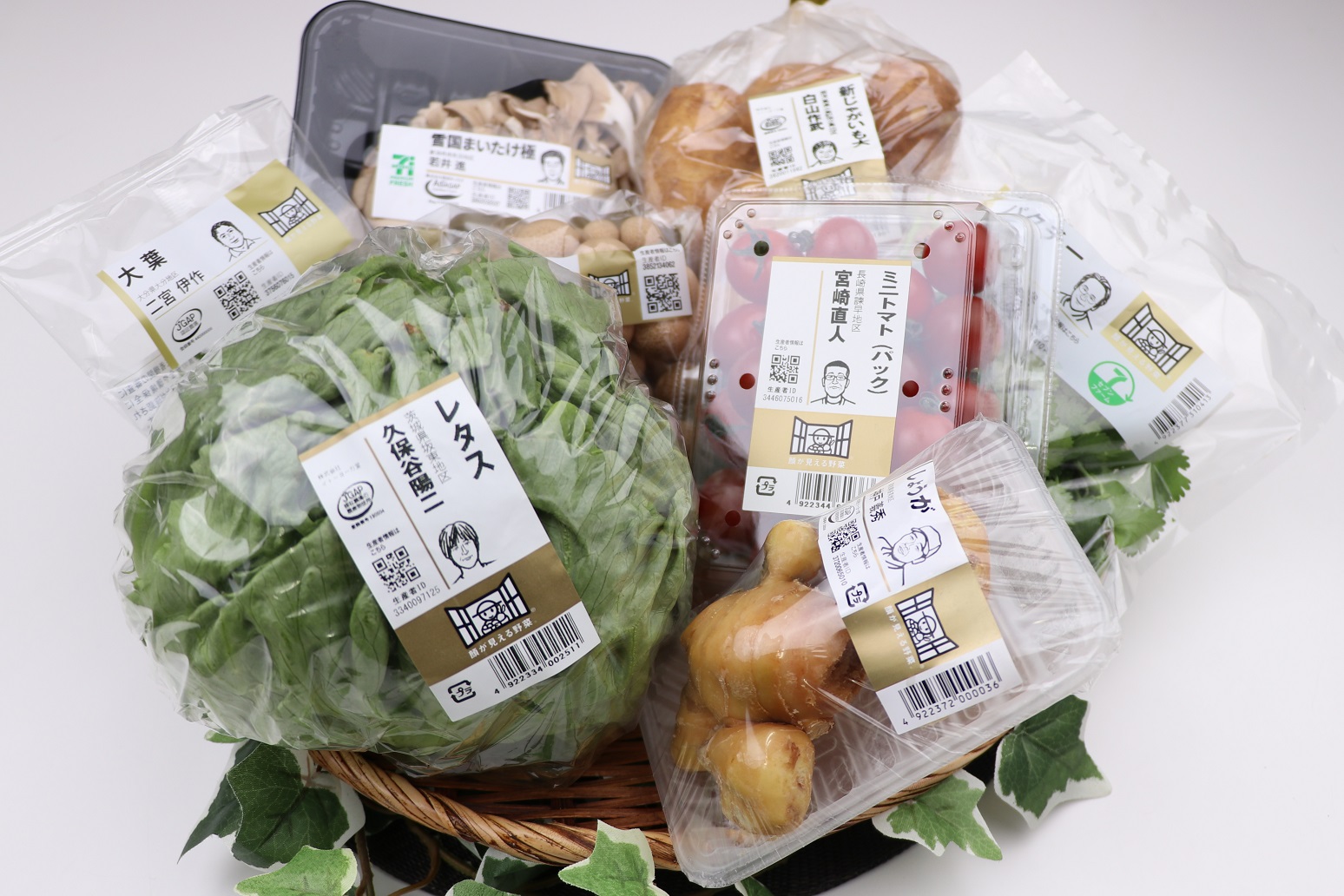
Fresh Vegetables with Traceability (traceable fresh vegetables with a face of the producer)
Five Promises of Fresh Vegetables with Traceability and Fresh Fruits with Traceability
- These lines deal with only domestically grown agricultural products.
- Producers who properly grow vegetables on suitable land are carefully selected from all over Japan.
- Products are delivered to customers under the name of each individual producer.
- Discerning techniques and personalities are introduced on the website and on sales floors.
- Agrichemical reduction targets are set and continuous checks are performed on agrichemicals and radioactive materials.
GAP Initiatives (Excerpt)
Food safety (create and implement rules to maintain food safety)
- Measures for preventing and reducing pollution caused by heavy metals and mycotoxins derived from the environment
- Proper storage and use of pesticides, personal health and hygiene management of workers
- Safe storage and handling of agricultural machinery, etc.
- Prevention of foreign matter intrusion, storage methods for harvested crops, etc.
Environmental conservation (create and implement rules to protect the safety of farms and surrounding environment)
- Prevention of environmental contamination due to pesticides
- Appropriate soil management
- Proper waste/wastewater treatment methods
- Cutting down on unnecessary and inefficient energy consumption
- Creation of measures to mitigate damage due to harmful birds and wildlife, etc.
Agricultural Organic Products
Seven Premium, our group's private brand, sells JAS-certified agricultural products such as bamboo shoots and processed foods such as coffee. Ito-Yokado also sells its original "Vegetables with visible faces." JAS-certified products.
Soybeans, mentioned earlier, were identified as an important raw material along with coffee beans and rice in an analysis conducted by our group based on the TNFD Framework, as they are highly dependent on and have a high impact on nature and are procured in large quantities. For this reason, we are working to promote environmentally conscious procurement, including the use of JAS-certified organic raw materials.
Approach to Marine Product Sourcing
Our Group is working to sell products for which sustainability is guaranteed, such as those certified by the MSC*, to pass on the rich blessings of the sea to future generations. Further, to fulfill our responsibility as a retail business that connects producers and customers, we are also focusing on conveying the value of these products and the producers’ desires to customers through our stores and websites.
*MSC:Marine Stewardship Council
An organization that operates and manages a system for certifying sustainable and environmentally friendly fishing practices.
Sales of MSC-Certified Products
Since October 2018, our Group has been selling MSC-certified seafood products under its private brand "Seven Premium" at various group stores. These products are wild-caught seafood that have been harvested through fisheries that consider marine resources and the marine environment. They are produced by companies that have obtained certification for their management systems in the processing and distribution stages. In October 2022, Seven & i Holdings obtained the 'CoC Certification,' which is a certification for the distribution management of MSC-certified seafood caught through environmentally conscious fisheries. As a result, it has become possible to sell MSC-certified seafood processed in the group's supermarkets (Ito-Yokado, York-Benimaru, York) as certified products.
The ratio of MSC-certified products in Seven Premium's seafood products
| FY2021 | FY2022 | FY2023 | FY2024 |
|---|---|---|---|
|
8.2% |
8.1% |
9.2% |
15.0% |

MSC-certified marine product

Ocean Eco-Label : MSC-C-59602
Sales of ASC-Certified Products
At the fresh fish sections of Ito-Yokado and York-Benimaru, we sell products that have obtained ASC* certification, which is awarded to responsible aquaculture practices that consider the environment and society. In October 2022, Seven & i Holdings obtained the 'CoC Certification,' a certification standard for the distribution management of ASC-certified seafood that considers the natural environment. As a result, it has become possible to sell ASC-certified seafood processed in the group's supermarkets (Ito-Yokado, York-Benimaru, York) as certified products.
*ASC: Aquaculture Stewardship Council
An organization that administers and maintains an international certification system related to aquaculture.
The ratio of ASC-certified products in Seven Premium's marine products
| FY2021 | FY2022 | FY2023 | FY2024 |
|---|---|---|---|
|
3.7% |
3.0% |
15.7% |
5.0% |

ASC-certified marine product
ASC-certified label: ASC-C-03754
Sales of MEL-Certified Products
Ito-Yokado is the first major Japanese retailer to obtain MEL* certification, a certification system for eco-friendly catching and cultivation of marine products. From April 2020, 4 original products—yellowtail, amberjack, red sea bream, and flatfish—were given the MEL mark. With the further certification given to wakame seaweed and ginzake salmon, certified products of a total of 14 varieties of fish are now being sold at 190 Ito-Yokado stores nationwide as of the end of February 2025. Further, to convey the value of these certified products to customers, some stores have installed point-of-purchase ads in fish sections that explain the certifications.
*MEL: Marine Eco-Label Japan
This marine product eco-label certifies fisheries and aquaculture producers that are actively managing fishery resources with consideration for their sustainable use and conservation of the environment and ecosystems, as well as businesses that process and distribute marine products from such producers.

MEL-certified marine product
MEL mark
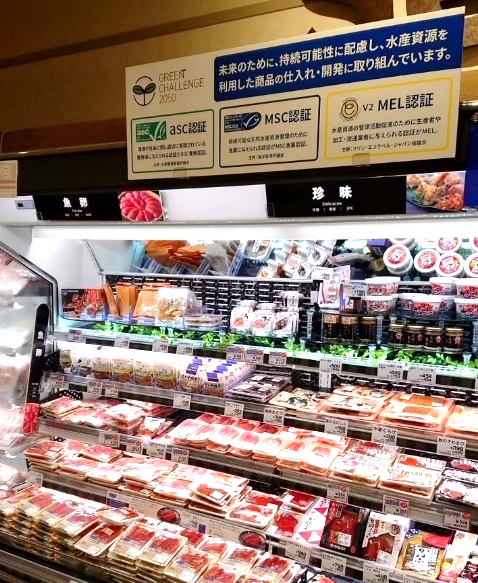
Point-of-purchase ad that explains
marine product certifications
Sales of Alaska Seafood Products
Our Group stores actively sell and convey to customers the quality of Alaska Seafood products, which are sourced through environmentally friendly fishing practices. Alaska Seafood is all-natural marine products, and strictly manages resources and fisheries in the region of product origin of Alaska, to ensure that no damage results to the ecosystems which conserve the natural marine resource.
In the fiscal year ended February 28, 2025 Ito-Yokado's food sections sold Alaskan seafood products such as salted red salmon, salmon roe, kinki (rockfish), and menuke (rockfish). Additionally, since November 2022, Alaskan seafood has been used in the hand-wrapped rice balls sold at Seven-Eleven, with the logo mark displayed on the packaging.


Hand-wrapped rice ball made with Alaskan seafood

Alaska Seafood logo
Approach to Livestock Product Sourcing
Based on its Nature Policy and Sustainable Procurement Principles and Policies, our group promotes responsible procurement of raw materials that do not lead to ecosystem degradation, loss of biodiversity, deforestation, or land conversion. In the procurement of beef for our group's private-label products, including Seven Premium, we are promoting sustainability-conscious procurement through partnerships with business partners.
In addition, beef is positioned as one of the targets for expanding our dependency and impact assessment on nature based on TNFD. Going forward, in addition to deepening our dependency and impact assessment for forest risk and commodities (see Figure “Dependency and Impact Scoping Assessment for Forest Risk and Commodities”), we plan to strengthen traceability confirmation and expand sustainable procurement.
Five Promises of Fresh Meat with Traceability
- These lines deal with only domestically grown animal products.
- Producers who focus on quality feed and rearing environments are carefully selected from all over Japan.
- Products are delivered to customers under the name of each individual producer.
- Discerning techniques and personalities are introduced on the website and on sales floors.
- Antibiotics are used as little as possible, and substances and radioactive materials are checked continuously.
Seven initiatives for the Sustainability of Agriculture (GAP)
- Trustworthy Farm Management
- Securing Food Safety
- Ensuring Environmental Protection
- Securing Worker Safety
- Workers’ Human Rights and Welfare
- Ensuring Animal Hygiene
- Animal Welfare considerations
*Animal welfare: Rearing of an animal in consideration of its comfort
(Source: Control Points and Compliance Criteria (for Farms) Livestock and Livestock Products 2017)
One of the criteria for JGAP certification is to take measures based on the "Guidelines for Animal Feeding Management Based on the Concept of Animal Welfare."
The "Guidelines for Animal Feeding Management Based on the Concept of Animal Welfare" states that it is important to conduct livestock feeding management with consideration for comfort, comprehensively taking into account the "five freedoms" (i.e. (1) freedom from hunger, thirst and malnutrition, (2) freedom from fear and distress, (3) freedom from physical and thermal discomfort, (4) freedom from pain, injury and disease, and (5) freedom to express normal behavioral patterns) mentioned in the introduction of the OIE (The World Organisation for Animal Health).
Beef
In the sourcing of beef for our group's private-label products, including Seven Premium, we are promoting Beef’s sustainable sourcing through partnerships with business partners. Beef has also been identified as one of the areas for expanding the assessment of the Group’s dependencies and impacts on nature in line with the TNFD guidance. Going forward, in addition to deepening the assessment of dependencies and impacts associated with forest-risk commodities (see the figure titled “Scoping Assessment of Dependencies and Impacts Associated with Forest-Risk Commodities”), the Group plans to strengthen traceability verification and expand sustainable sourcing initiatives.
Sale of Cage-Free Eggs
An increasing number of customers are concerned about the environment in which animals are raised. In our "Seven Premium Fresh" line, we are mindful of the environment in which chickens are raised. We sell "Traditional Cage-Free Eggs" sourced from hens raised in a free-range environment where they can move around freely. As of the end of February 2025, these eggs are available at all our supermarket stores.

Seven Premium Fresh "Traditional Cage-Free Eggs"
Initiatives for “Nana Chiki” and “Age Dori”
The chickens used to make the Seven-Eleven Japan original products “Nana Chiki” (spicy fried chicken) and “Age Dori” (fried chicken) are raised in spacious poultry farms where the birds have freedom of movement within comfortable and appropriately temperature- and humidity-controlled environments. These low-stress, healthy rearing environments also mitigate the risk of disease, helping us to realize products that are not only delicious but also safety assured and which deliver peace of mind.
Initiatives details
• Poultry raised in spacious facilities which allow freedom of movement and where birds enjoy comfortable, near-natural environments with access to both sunlight and the open air
• Poultry raised in environments which allow them to behave in a natural way, including spaces for uninhibited feeding and drinking, and toys to allow the chickens to relieve stress
• Individual monitoring of the health status of each chicken, including checks for the presence of injuries
• Stringent access management for personnel and vehicles to poultry farms, with disease countermeasures implemented upon entry
Palm Oil Sourcing
Palm oil is widely used in various processed foods as well as in household products such as detergents. However, human rights issues such as deforestation and loss of biodiversity in countries where it is produced, as well as child labor and forced labor on plantations, have been pointed out.
In January 2020, our group Group became a member of the RSPO Sustainable Palm Oil Association "Roundtable on Sustainable Palm Oil (RSPO)" to promote the procurement of sustainable palm oil. Some of the products in our Seven Premium private-label brand in our group use RSPO-certified sustainable palm oil.
As a member of the RSPO, our group publishes an annual report on the procurement status of RSPO-certified palm oil. For details, please visit the RSPO official website.
Pulp and paper sourcing
Our group is promoting raw material procurement that does not lead to deforestation or land conversion, based on its Natural Capital Policy and Sustainable Procurement Principles and Policy. For wood-derived raw materials such as pulp and paper, we are working with suppliers to procure sustainably, including through the use of third-party certification.
Sourcing of Organic Cotton
In response to customer expectations for safety and security and growing interest in environmentally conscious products, our group is promoting the procurement of organic cotton for use in underwear and towels as part of its sustainable procurement initiatives. Since February 2020, in order to clearly communicate the value of organic cotton to customers, we have sequentially displayed and marketed a common icon for products that have obtained the Organic Content Standard (OCS), an international certification for organic fibers, or the Global Standard for Organic Textiles (GOTS), an international certification for organic textile products.
Our Group sells women’s 100% Organic Cotton Innerwear products that have cleared strict organic production standards under the Seven Premium private brand. These products are sold at about 80 Ito-Yokado stores throughout Japan (as of the end of February 2025) and its online shop. Only organic cotton that meets U.S. Organic Content Standards (OCS) is used as a raw material in these products. It also sells towels made of organic cotton.

Seven Premium Lifestyle 100% Organic Cotton Innerwear
Forest-risk Commodities
Our Group is implementing appropriate management practices in accordance with its policies for forest-risk commodities, which are closely associated with deforestation and land-use change and have significant dependencies and impacts on nature.
Through the Seven & i Holdings Business Partner Sustainable Action Guidelines, our Group requires suppliers to conserve the environment and biodiversity, respect human rights, and comply with applicable laws and regulations. In sourcing forest-risk commodities, we aim to procure raw materials responsibly by considering not only human rights violations, including child labor and forced labor, but also adverse impacts on local communities.
At the same time, we have established the Business Partner Helpline —a whistleblowing and grievance mechanism—through an independent third-party organization to facilitate the early detection, prevention, and remediation of serious violations and human rights abuses by business partners, including those in our supply chain. The helpline is available to all supply chain stakeholders, including business partners involved in forest-risk commodities, and provides safeguards such as confidentiality, protection against retaliation, and the option to remain anonymous.
In accordance with TNFD disclosure guidance, our Group used the TNFD-recommended ENCORE tool to score and map dependencies and impacts on nature across all operating companies and relevant supply chains, from upstream to downstream. The results showed that the upstream portions of the supply chains for agriculture and forestry, fisheries, and livestock farming have the highest levels of both dependency and impact.
For further details, please refer to
Given the characteristics of our Group, whose business is centered on food, we initially focused on agricultural products, particularly forest-risk commodities such as coffee, palm oil, cocoa, soybeans, and beef, and conducted a further detailed assessment of their dependencies and impacts in accordance with the TNFD scoping process, as of October 2026.
Scoping Assessment of Dependencies and Impacts of Forest-Risk Commodities
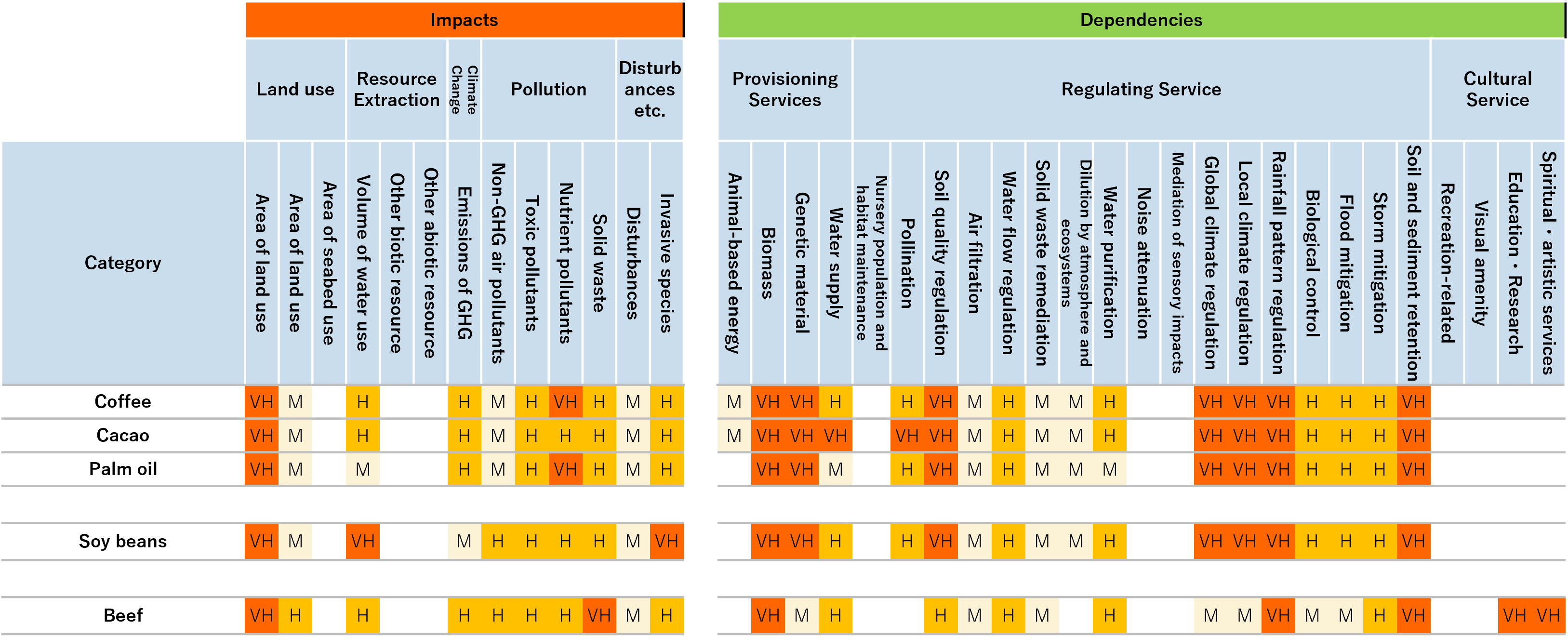
- *In addition to ENCORE outputs, the level of impact and dependency for each commodity was identified based on internal information, various data sources, and academic literature.
- *For certain commodities that had already been assessed, we conducted a review in light of the time that had elapsed since the previous assessment. Using the latest version of the ENCORE database and more appropriately reflecting the impact pathways and dependencies relevant to the commodities assessed, we revised some of the assessment results.
(*) Reference list
*1 Arias, R. M., & Heredia, G. (2014). Fungal diversity in coffee plantation systems and in a tropical montane cloud forest in Veracruz, Mexico. Agroforestry Systems, 88(5), 921–933. https://doi.org/10.1007/s10457-014-9736-z
*2 Armbrecht, I., & Perfecto, I. (2003). Litter-twig dwelling ant species richness and predation potential within a forest fragment and neighboring coffee plantations of contrasting habitat quality in Mexico. Agriculture, Ecosystems & Environment, 97(1–3), 107–115. https://doi.org/10.1016/S0167-8809(03)00128-2
*3 Kewessa, G., Tiki, L., Nigatu, D., & Datiko, D. (2019). Effect of forest coffee management practices on woody species diversity and composition in Bale Eco-Region, Southeastern Ethiopia. Open Journal of Forestry, 9(4), 265–282. https://doi.org/10.4236/ojf.2019.94015
*4 Machado, A. C. P., Barônio, G. J., Oliveira, F. F. de, Garcia, C. T., & Rech, A. R. (2021). Does a coffee plantation host potential pollinators when it is not flowering? Bee distribution in an agricultural landscape with high biological diversity in the Brazilian Campo Rupestre. Journal of the Science of Food and Agriculture, 101(6), 2394–2404. https://doi.org/10.1002/jsfa.10857
*5 Mas, A. H., & Dietsch, T. V. (2004). Linking shade coffee certification to biodiversity conservation: Butterflies and birds in Chiapas, Mexico. Ecological Applications, 14(3), 642–654. https://doi.org/10.1890/02-5277
*6 Murrieta-Galindo, R., González-Romero, A., López-Barrera, F., & Parra-Olea, G. (2013). Coffee agrosystems: An important refuge for amphibians in central Veracruz, Mexico. Agroforestry Systems, 87(4), 767–779. https://doi.org/10.1007/s10457-013-9595-y
*7 Pineda, E., Moreno, C., Escobar, F., & Halffter, G. (2005). Frog, bat, and dung beetle diversity in the cloud forest and coffee agroecosystems of Veracruz, Mexico. Conservation Biology, 19(2), 400–410. https://doi.org/10.1111/j.1523-1739.2005.00531.x
*8 Tejeda-Cruz, C., & Sutherland, W. J. (2004). Bird responses to shade coffee production. Animal Conservation, 7(2), 169–179. https://doi.org/10.1017/S1367943004001344
*9 Valente, J. J., Bennett, R. E., Gómez, C., Bayly, N. J., Rice, R. A., Marra, P. P., Ryder, T. B., & Sillett, T. S. (2022). Land-sparing and land-sharing provide complementary benefits for conserving avian biodiversity in coffee-growing landscapes. Biological Conservation, 270, Article 109568. https://doi.org/10.1016/j.biocon.2022.109568
*10 Williams-Guillén, K., & Perfecto, I. (2011). Ensemble composition and activity levels of insectivorous bats in response to management intensification in coffee agroforestry systems. PLoS ONE, 6(1), Article e16502. https://doi.org/10.1371/journal.pone.0016502
*11 Lin, B. B. (2007). Agroforestry as an adaptation strategy to climate change: variations in thermal stress and water loss in coffee agroecosystems. Agricultural and Forest Meteorology, 144(1–2), 91–104. https://doi.org/10.1016/j.agrformet.2006.12.009 *12 Bunn, C., Läderach, P., Ovalle Rivera, O., & Kirschke, D. (2015). A bitter cup: climate change profile of global production of Arabica and Robusta coffee. Climatic Change, 129(1), 89–101. https://doi.org/10.1007/s10584-014-1306-x *13 Padovan, M. P., et al. (2018). Water loss by soil evaporation in full-sun and shaded coffee agroforestry systems. Agricultural Water Management, 202, 145–155. *14 Galindo, V., Fonte, S. J., & Siles, P. (2022). Infiltration, biogenic macroaggregates and water runoff in shade coffee agroforestry systems in the Cali River basin, Colombia. Geoderma Regional, 28, e00481. https://doi.org/10.1016/j.geodrs.2022.e00481 *15 Philpott, S. M., Lin, B. B., Jha, S., & Brines, S. J. (2008). A multi-scale assessment of hurricane damage on agricultural landscapes based on land use and topographic features. Agriculture, Ecosystems & Environment, 128(1–2), 12–20. https://doi.org/10.1016/j.agee.2008.04.016 *16 Haggar, J., Barrios, M., Bolaños, M., Merlo, M., Moraga, P., Munguia, R., ... & Sepúlveda, N. (2011). Coffee agroforestry systems: Performance and management of shade trees in Central America. Agroforestry Systems, 82(3), 285–301. https://doi.org/10.1007/s10457-011-9382-7
*17 De Beenhouwer, M., Geeraert, L., Mertens, J., Van Geel, M., Aerts, R., Vanderhaegen, K., & Honnay, O. (2016). Biodiversity and carbon storage co-benefits of coffee agroforestry across a gradient of increasing management intensity in the SW Ethiopian highlands. Agriculture, Ecosystems & Environment, 222, 193–199. https://doi.org/10.1016/j.agee.2016.02.013
*18 Soto-Pinto, L., Anzueto, M., Mendoza, J., Ferrer, G. J., & de Jong, B. (2010). Carbon sequestration through agroforestry in indigenous communities of Chiapas, Mexico. Agroforestry Systems, 78(1), 39–51. https://doi.org/10.1007/s10457-009-9247-5
*19 Vallejos-Torres, G., et al. (2024). Carbon sequestration in coffee agroforestry systems versus monoculture in Peruvian Amazonia. Environmental and Sustainability Indicators, 21, 100340.
*20 Machado, A. K., et al. (2020). Ant-mediated biological control of coffee berry borer in complex agroforestry systems. Biological Control, 142, 104160.
*21 Staver, C., Guharay, F., Monterroso, D., & Muschler, R. G. (2001). Designing pest-suppressive multistrata perennial crop systems: shade-grown coffee in Central America. Agroforestry Systems, 53(2), 151–170. https://doi.org/10.1023/A:1013372403359
*22 Phalan, B., Onial, M., Balmford, A., & Green, R. E. (2011). Reconciling food production and biodiversity conservation: land sharing and land sparing compared. Science, 333(6047), 1289–1291. https://doi.org/10.1126/science.1208742
*23 Beillouin, D., Ben-Ari, T., Malézieux, E., Seufert, V., & Makowski, D. (2021). Positive but variable effects of crop diversification on biodiversity and ecosystem services. Global Change Biology, 27(19), 4697–4710. https://doi.org/10.1111/gcb.15747
*24 Hashimi, R., et al. (2023). Soil water retention and hydraulic properties under cover crop systems: A global review. Soil and Tillage Research, 225, 105540.
*25 Wang, Y., et al. (2021). Cover cropping reduces soil evaporation and improves water use efficiency in orchard systems. Agricultural Water Management, 245, 106620.
*26 Pumariño, L., Sileshi, G. W., Gripenberg, S., Kaartinen, R., & Barrios, E. (2015). Effects of agroforestry on pest, disease and weed control: A meta-analysis. Basic and Applied Ecology, 16(7), 573–582. https://doi.org/10.1016/j.baae.2015.08.006
*27 Thapa, R., Mirsky, S. B., & Tully, K. L. (2018). Yield and nitrogen agronomic efficiency of crops in grass-legume cover crop mixtures: A meta-analysis. Agronomy Journal, 110(5), 1608–1619. https://doi.org/10.2134/agronj2018.03.0180
*28 Demissie, B., et al. (2026). Global potential and drivers of soil organic carbon sequestration through cover cropping. Geoderma, 441, 116750.