- Top
- Sustainability
- Seven & i Holdings Material Issues
- Material Issues 3
- Effective Use of Resources
- Sustainability
- Message from the Representative Director & Executive Chair (Kaicho)
- Basic Policies of Sustainability Initiatives
- Sustainability Management
- Stakeholder Engagement
- Business Partners
- Seven & i Holdings Material Issues
- Corporate Governance
- Compliance
- Information Security and Personal Information Protection
- Human Rights Initiatives
- Human Capital Initiatives
- Climate and Nature-related Information Disclosures —Responses to TCFD/TNFD Recommendations
- Social Contribution Activities
- Business Continuity Initiatives
- Overseas Initiatives
- Sustainability Data Book
- External Recognition and Awards
- SASB/GRI Index
- Index for Researchers
- Keyword search
- Editorial Policy
- Social
- Environment
Effective Use of Resources
In response to such trends as the sharp increase in the world’s population and its continued urbanization along with the rapid economic growth of emerging and developing nations, the depletion of natural resources essential for living has become an issue. Seven & i Holdings Co., Ltd. and its consolidated subsidiaries (hereinafter referred to as "our Group") are working toward achieving a circular economy that makes effective use of resources by working with customers and business partners to reduce waste, collect recyclable resources at stores, promote recycling, and reuse materials.
With regard to the reduction of plastic shopping bags that has been attracting increased attention lately, Seven & i Holdings “GREEN CHALLENGE 2050” environmental declaration sets the goal of replacing 50% of containers and packaging used in our original products by 2030, and 100% by 2050, with environmental-friendly materials. In addition, with regard to the reduction of plastic bags, we aim to reduce the use of plastic shopping bags to zero by 2030, and adopt sustainable, natural materials such as paper for shopping bags.
Collection of Recyclable Resource at Stores
Our Group is promoting an important initiative to recover and recycle empty containers and other materials from its products. Every Group company cooperates with customers and local governments to collect recycling resources such as bottles, cans, polystyrene, paper cartons, and PET bottles at stores in accordance with local waste disposal sorting rules. Recently, some stores of the Group have also been cooperating with local governments to collect small electrical appliances, which have been drawing attention as “urban mines.”
Ito-Yokado Hikifune store has been developing new initiatives to promote a circular economy, such as providing a place for demonstration of recycling experiments jointly conducted by Kao and Lion since October 2020. In addition, since July 2024, we have been conducting a demonstration trial for the collection of used mayonnaise bottles at Ito-Yokado Mizonokuchi store, in collaboration with Japan Clean Ocean Material Alliance*, Kewpie Corporation, Ajinomoto Co., Inc., Amita Holdings Co., Ltd., and Kawasaki City.
- *
- A public-private partnership platform established in 2019 to enhance cross-sectoral collaboration among a wide range of stakeholders and increase the pace of innovation towards the resolution of the issue of marine plastics.
Installing Reverse Vending Machines for Collecting PET Bottles for Recycling
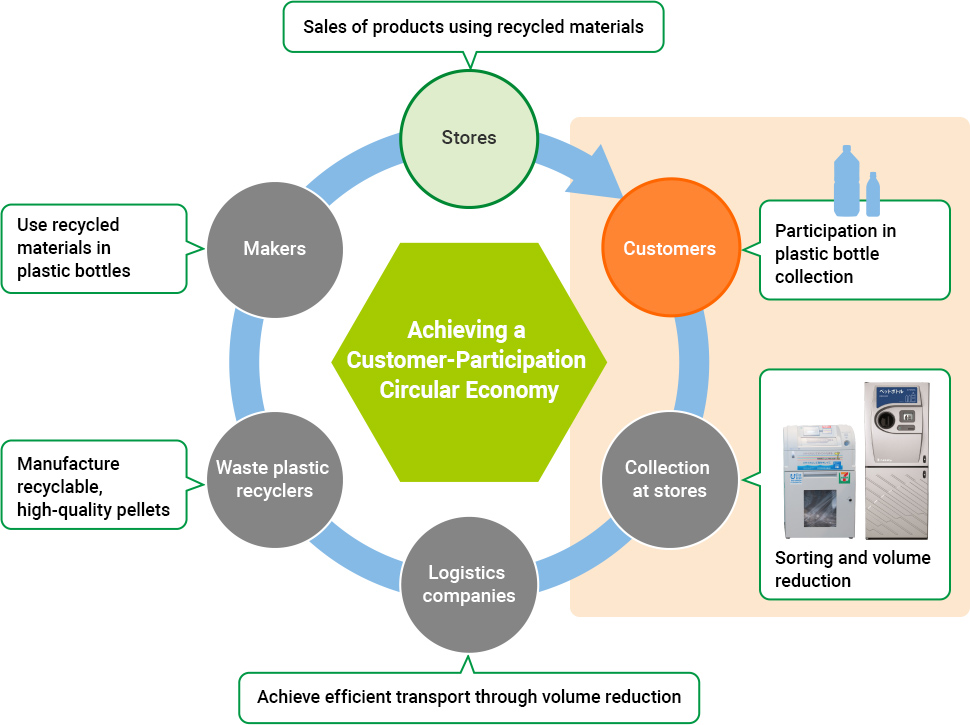
Ito-Yokado and York-Benimaru have installed PET bottle collection machines at stores since 2012. Since PET bottles inserted into the machines undergo an automatic process of foreign-matter removal and volume-reduction (by either compression or crushing), large volumes of bottles for recycling can be sent to recycling plants at a time, which allows reductions in the frequency of deliveries from stores to be achieved. Moreover, utilizing our Group logistics routes facilitates more efficient transportation and reductions in CO2 emissions volumes accompanying deliveries.
The collected PET bottles are made into new PET bottles and other products for the domestic market. This “closed-loop recycling” system of recycling PET bottles into new PET bottles is the first attempt by a major retail chain in Japan to be implemented on such a large scale.
Seven-Eleven Japan conducted trials of PET bottle collection machines at five stores in Koto-ku, Tokyo starting in December 2015, with installation of these machines expanded to stores in Tokyo and Saitama Prefectures starting in December 2017 as part of a project of the Japan Ministry of the Environment for the introduction of CO2-reducing advanced plastic recycling facilities. In September 2019, PET bottle collection machines were installed in Okinawa Prefecture, followed by Yokohama City in January 2020, and we have since been expanding the successive installation of these machines to stores throughout Japan. In addition, in June 2019, as part of collaboration with administrative authorities, Seven-Eleven Japan partnered with Higashiyamato City, the Higashiyamato City Cleaning Business Cooperative, and the Nippon Foundation to install PET bottle collection machines at all 7-Eleven stores in Higashiyamato City. Moreover, since March 2025, Yokote City in Akita Prefecture began collection of PET bottles, with partnerships being strengthened in regions throughout Japan and 4,268 PET bottle collection machines installed in 41 prefectures as of the end of February 2025.
We also sell the “bottle-to-bottle” private-brand products made from recycled PET bottles collected at stores. Through these products, we are working on promoting understanding and awareness of the circular recycling system.
PET Bottle Recycling System Using Reverse Vending Machines
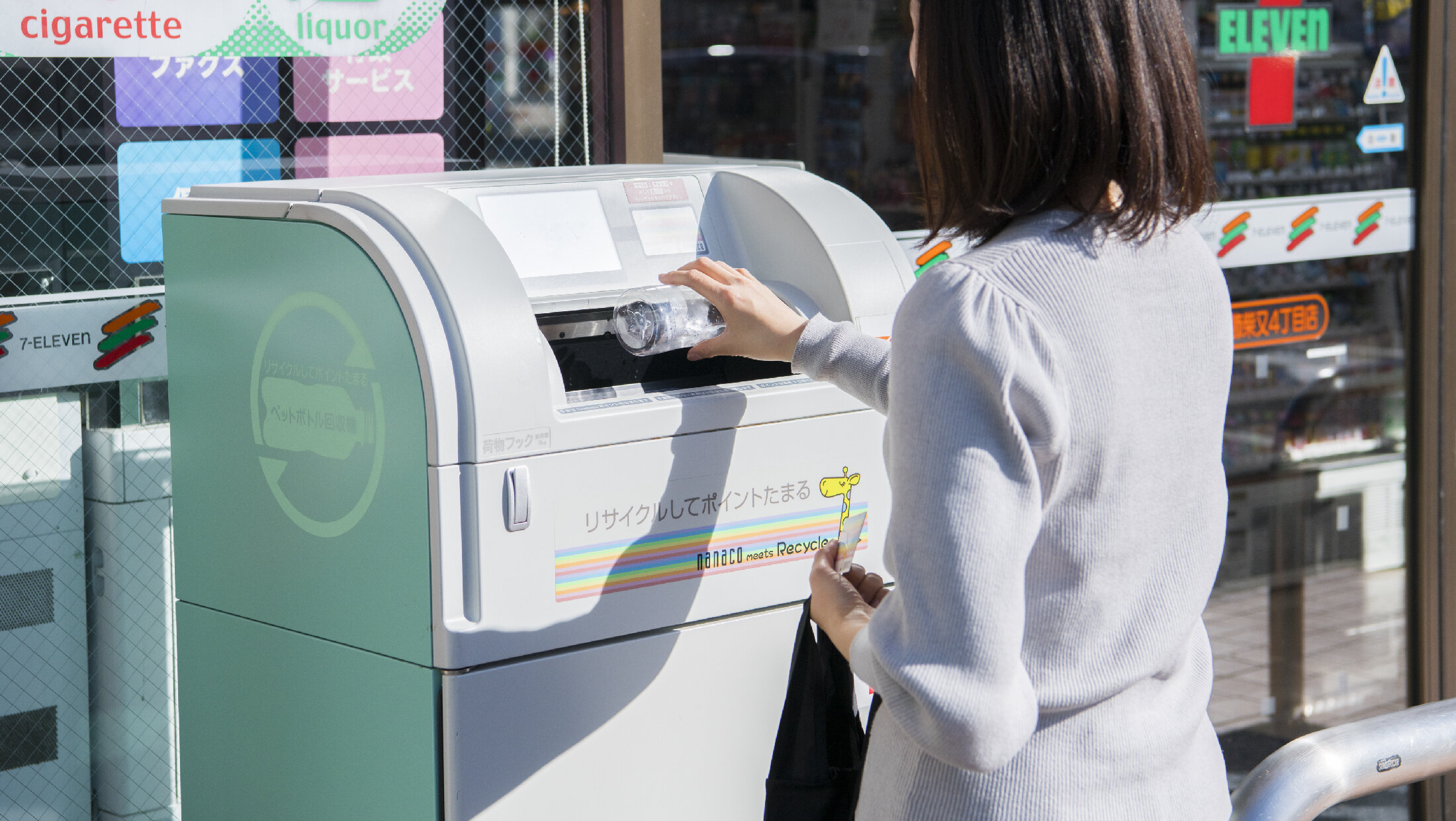
Small-sized reverse vending machine system for convenience stores
| FY | 2019 | 2020 | 2021 |
2022 |
2023 |
2024 |
|---|---|---|---|---|---|---|
|
Collection volume (tons) |
9,740 | 8,700 | 10,856 | 12,438 | 13,100 | 14,500 |
|
Number of installed machines |
820 | 1,001 | 2,098 | 3,174 | 4,187 | 4,763 |
Number of PET bottle reverse vending machines installedand collection volume (Group total*)
* Seven-Eleven Japan, Ito-Yokado, York-Benimaru, Denny's Japan
Achieving Complete Bottle-to-Bottle PET Bottle Recycling
From June 2019, our Group began selling “Seven Premium Hajime Ryokucha Ichi-nichi Ippon” in recycled bottles made by using 100% of the PET bottles collected by reverse vending machines at stores. It is the first initiative of its kind in the world that recycles PET bottles collected from specific distribution groups as raw materials and sells them as a product again in the same distribution group.*
- *
- As of June 5, 2019. Study by Coca-Cola Japan and Seven & i Holdings.
Using Recycled PET Material for Clothing
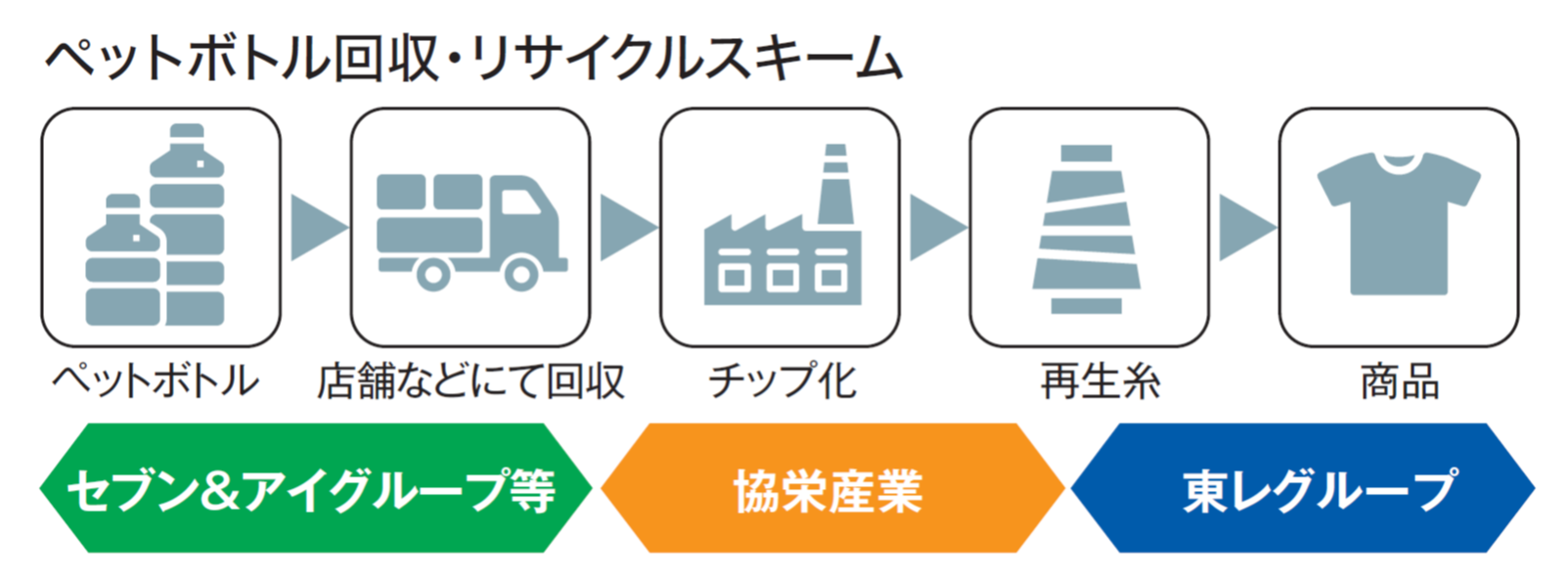
Our Group is making efforts to expand the use of recycled PET materials while promoting the collection of PET bottles. In 2020, “Seven Premium Lifestyle Body Cooler,” an underwear that utilizes PET bottles collected by PET bottle reverse vending machines installed at the Group stores and uses recycled yarn made from the PET bottles, went on sale at Ito-Yokado and York-Benimaru stores nationwide.
As of the end of February 2025, Ito-Yokado carries approximately 200 clothing items that use these recycled materials, accounting for about 14% of the sales mix for Ito-Yokado’s underwear category. Moving forward, we will focus efforts on the development of all sustainable materials, not just recycled PET bottle.
PET Bottle Recycling Scheme
Reducing the Use of Disposable Plastic Bags
Our Group has promoted the reduced use of disposable plastic bags by asking customers whether they need a bag at the register, displaying posters and POP signs, and holding events to encourage customers to bring their own shopping bags when shopping at stores. In July 2020, we commenced usage fees for plastic shopping bags, and as of the end of February 2024, the rate of decline in use of plastic shopping bags for the entire Group was just under 80%.
Seven-Eleven Japan has introduced environmentally friendly shopping bags containing 30% biomass materials as part of an initiative to further reduce its usage levels of petroleum-derived plastics. We have set the targets of introducing products with an increased recycled content rate of 50% by 2025 and reducing the usage levels of plastic shopping bags to zero by 2030. As plastic shopping bags started to cost money, the turn-down rate at Seven-Eleven Japan, which was about 30% before the charge was applied, has grown to be about 70% (as of the end of February 2025). The "equivalent headquarters revenue" from the sale of plastic bags in FY2024 amounted to approximately 860 million yen. This revenue is being utilized in part to cover the costs of installing PET bottle reverse vending machines and other related expenses.
Reducing Waste
In Japan, approximately 100,000 tons of discarded food oil from households is generated annually, most of which is disposed of as combustible waste without being reused. In response to this situation, from February 2023, Ito-Yokado commenced an initiative to collect used or unused discarded oils generated in households and recycle these into soap, ink solvents, and other resources. As of the end of February 2025, 68 stores had implemented this initiative, with a total of 14,495 bottles, equivalent to approximately 10,871 liters, collected. Additionally, collecting these oils in dedicated returnable bottles distributed to customers allows these bottles to be cleaned and reused repeatedly, thereby constituting a further initiative to mitigate the generation of waste.
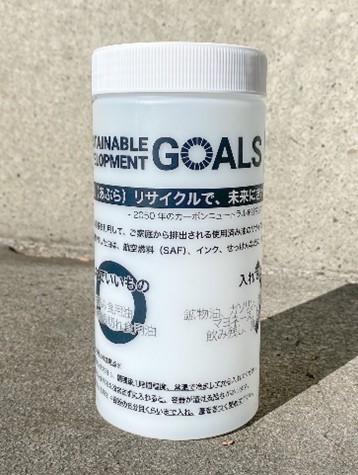
Dedicated Bottles for Collecting Used Cooking Oil
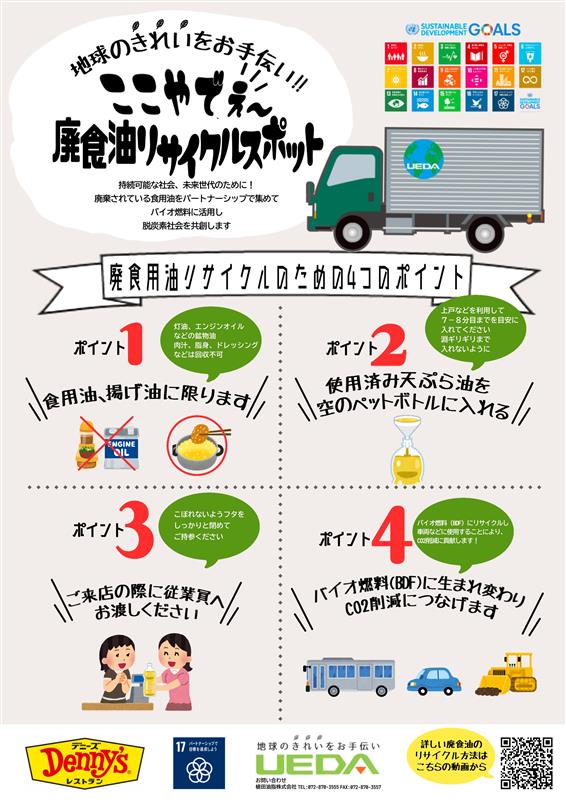
Denny’s Japan has participated in the “Here We Go! Used Cooking Oil Recycling Spot” initiative implemented by Ueda Yushi, Inc. since November 1, 2023. This initiative involves the collection of used cooking oil from households at seven Denny’s locations within Osaka Prefecture, with the oil subsequently recycled into fuel. Collection is conducted in person at store checkouts and targets used cooking oil from households transferred into used PET bottles. The collected waste cooking oil is reused as biodiesel fuel and is contributing to the reduction of CO2 emissions and the realization of a resource circulation society.
Ito-Yokado is working to curtail the generation of waste and to promote reuse and recycling with a view to reducing waste disposal. For example, in product deliveries, Ito-Yokado utilizes reusable containers and hangers for delivery of apparel as a way of cutting down on the use of packaging and cardboard. At stores, Ito-Yokado promotes understanding of recycling, and store employees are encouraged to rigorously sort waste for recycling purposes.
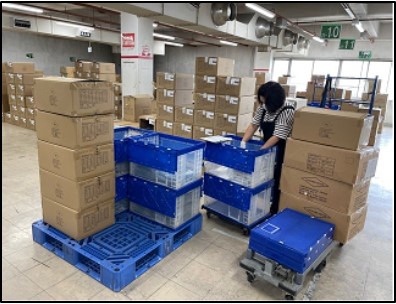
Shipping work at a distribution center
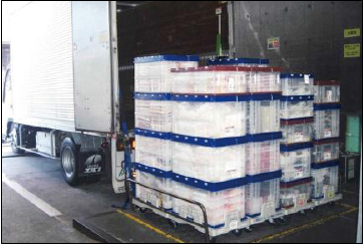
Reusable containers for store deliveries
Effective Use of Resources in Store Development
Resource circulation initiatives are deeply tied to issues of both climate change and natural capital. Seven-Eleven Japan is, for example, striving to efficiently utilize resources in store construction to thereby contribute to reducing CO2 emissions and preventing the loss of biodiversity.
Utilization of Recycled Aluminum Materials
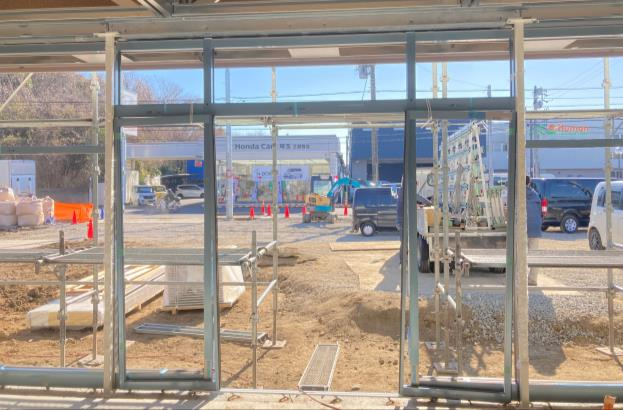
The 7-Eleven Misato Kami-Hikona store, which opened in February 2024, became the first 7-Eleven store in Japan to introduce aluminum extrusions from LIXIL Corporation, which reduce CO2 emissions in the manufacturing process by approximately 55%. These aluminum extrusions were subsequently also introduced at the 7-Eleven Fukuoka Momochi store.
Recycling of Waste Glass for Use as Components
Seven-Eleven Japan partnered with AGC Inc. to collect approximately 4 tons of waste shelving glass (equivalent to about 30 stores) generated from obsolete equipment from 7-Eleven stores. We recycled this glass into raw material to produce plate glass, which we then used as glass components for refrigerated display units in stores.
This initiative successfully reduced the use of virgin raw materials during the manufacturing process by approximately 4.8 tons and cut GHG emissions by approximately 2.4 tons. Moving forward, we will continue to undertake collaborations to expand the use of recycled glass.
Utilization of Locally-sourced Timber
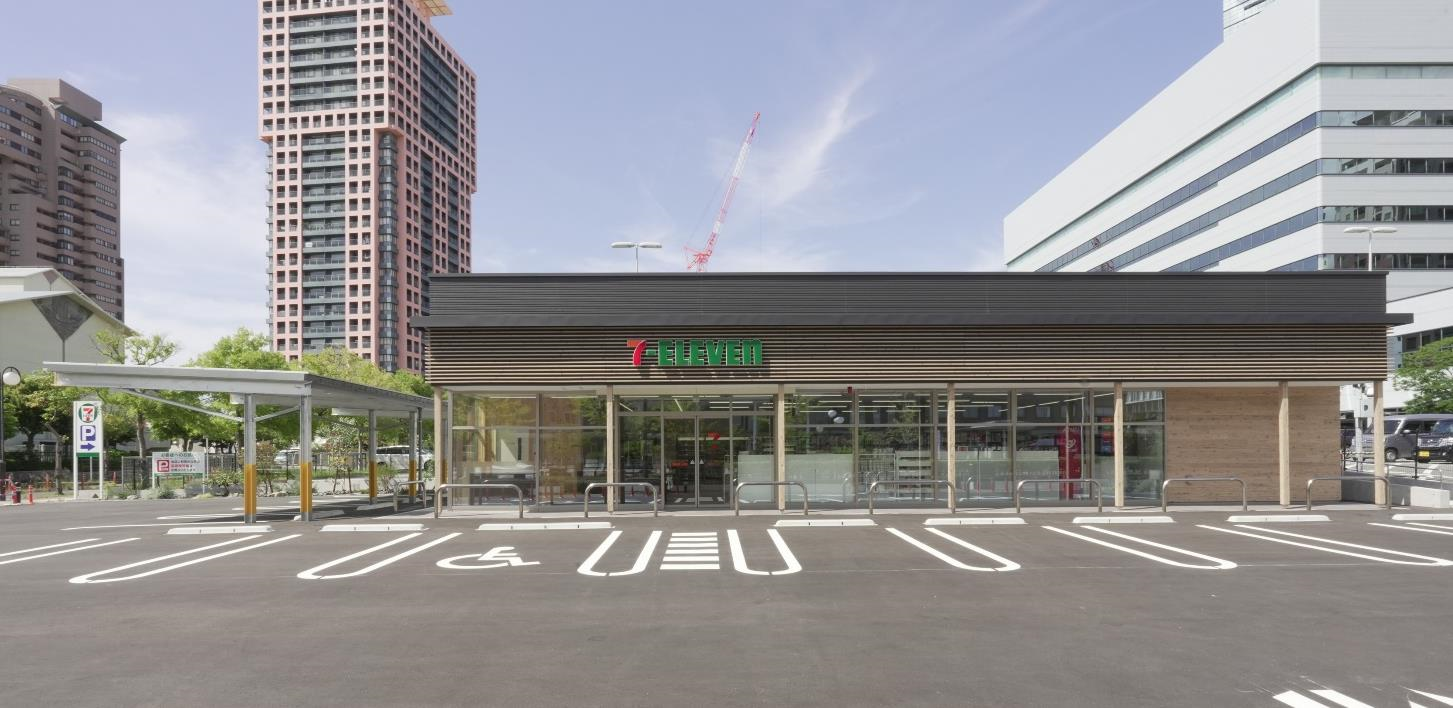
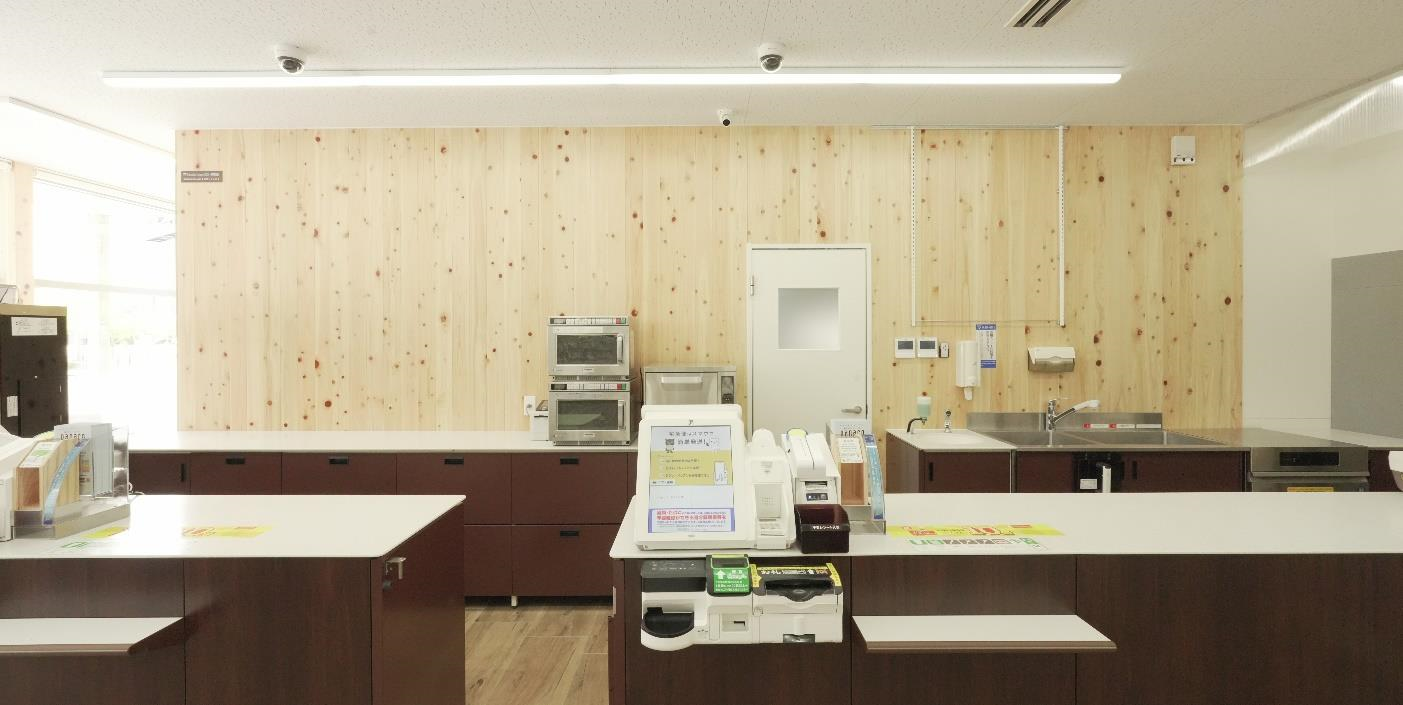
The 7-Eleven Fukuoka Momochi store, which opened in August 2024, is a wooden structure utilizing domestically-sourced timber primarily from Fukuoka City in its building framework and interior and exterior finishes. We anticipate a reduction in CO2 emissions during the store’s construction, eventual demolition, and etc. of approximately 15% when compared with standard construction methods used to date (lightweight steel frame construction). We are furthermore aiming to contribute to forest regeneration and increased CO2 absorption by utilizing locally-sourced timber, in addition to the reduction effects associated with the construction itself.